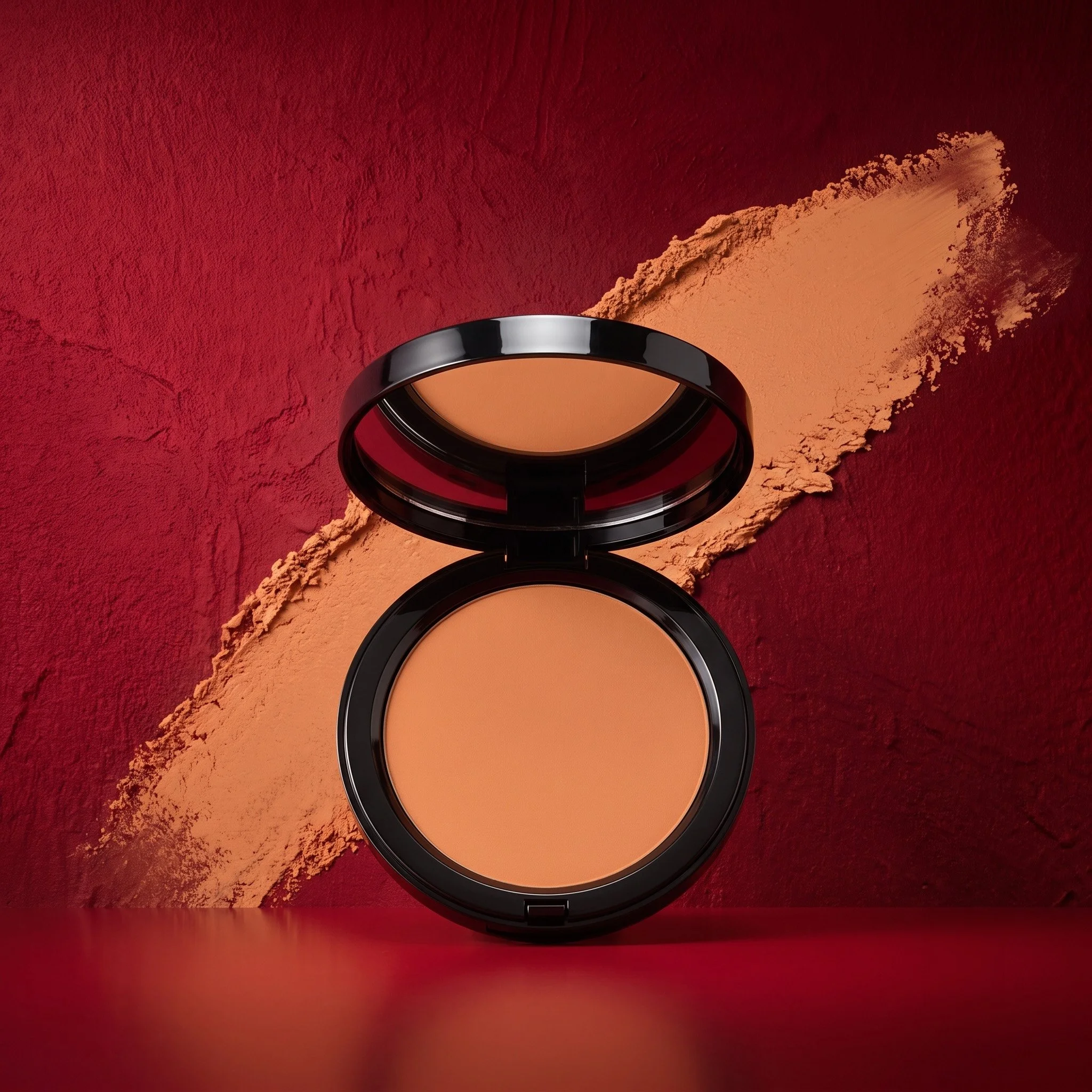
From pack shot to finished scene
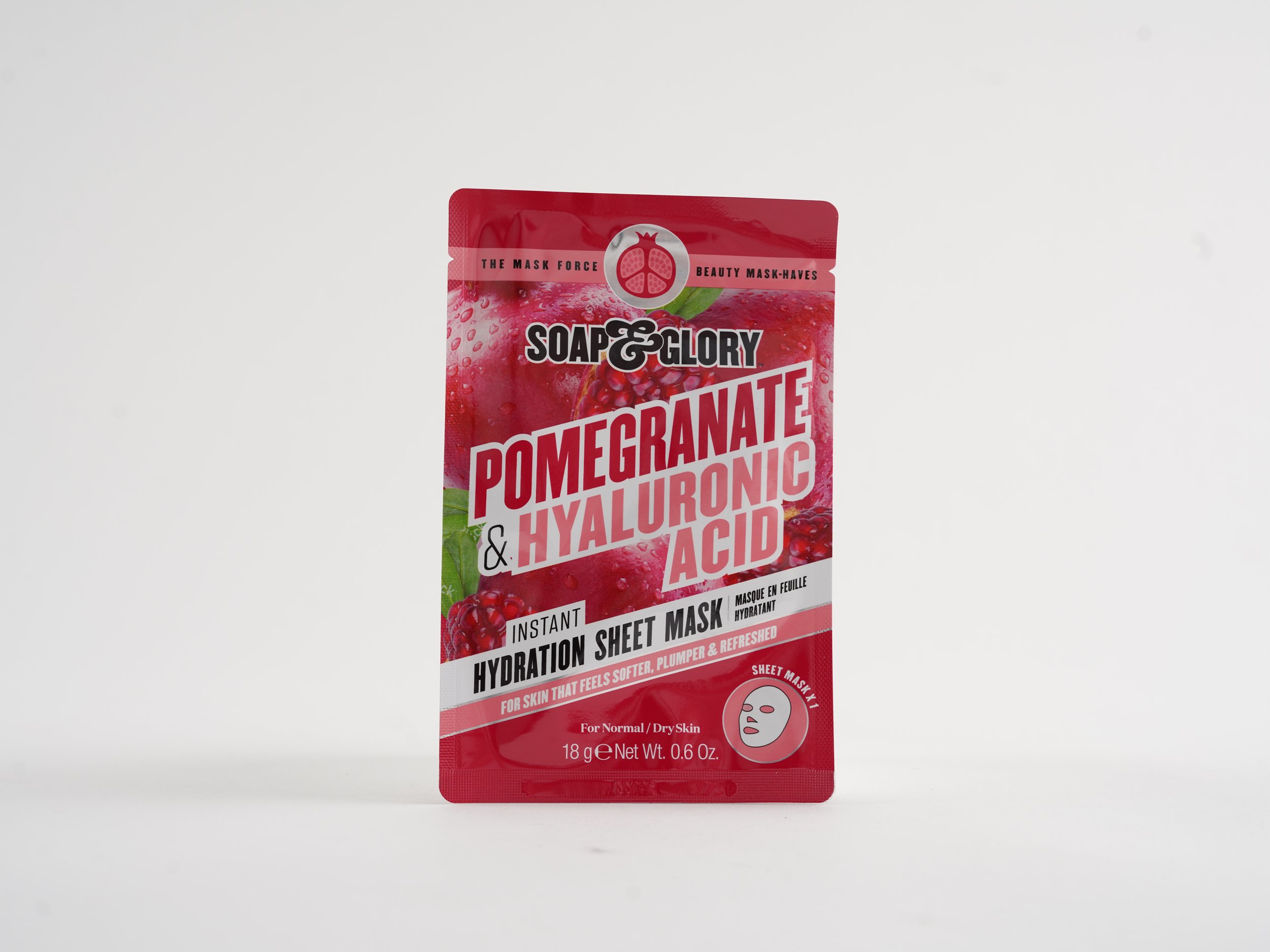
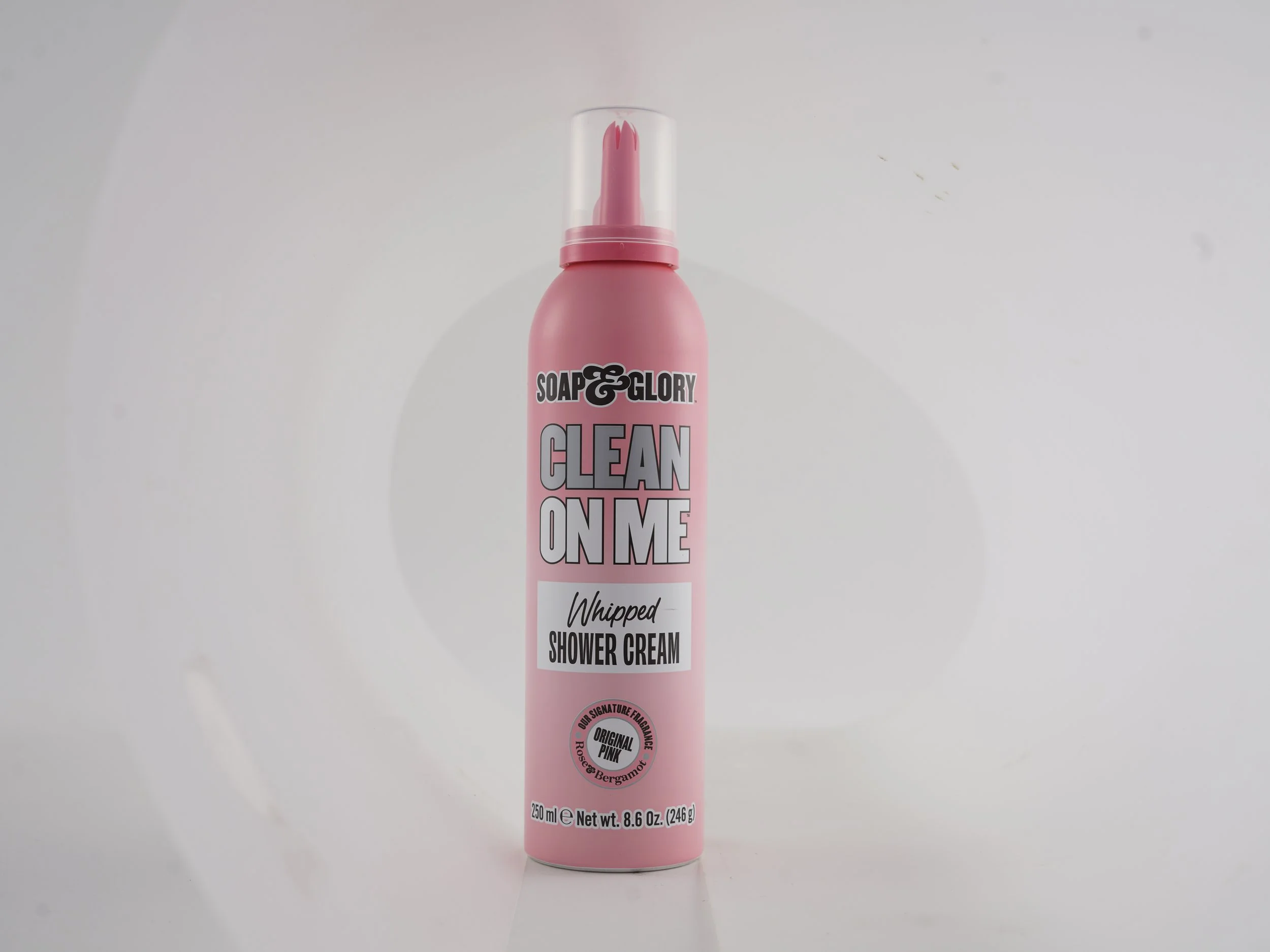
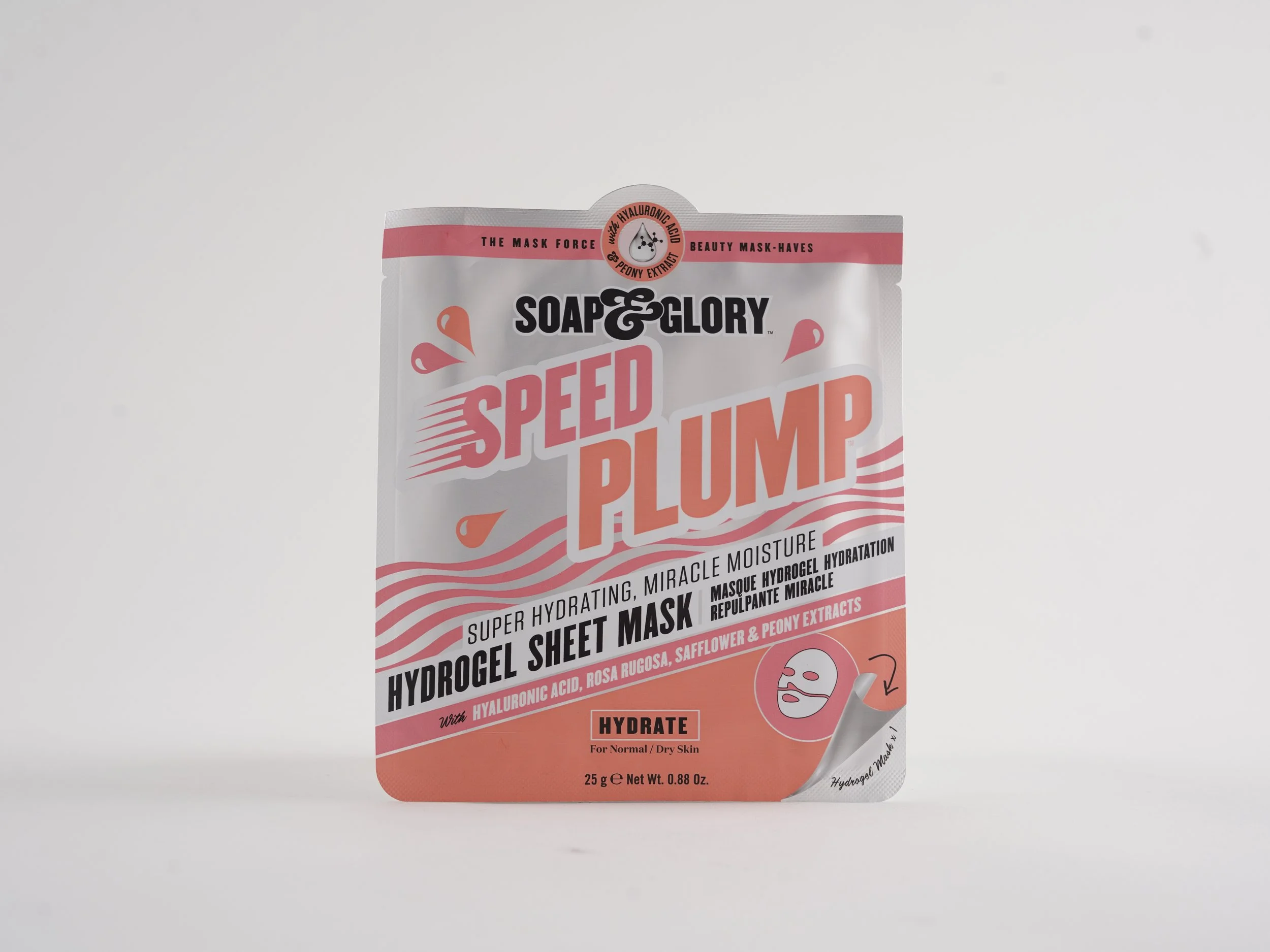
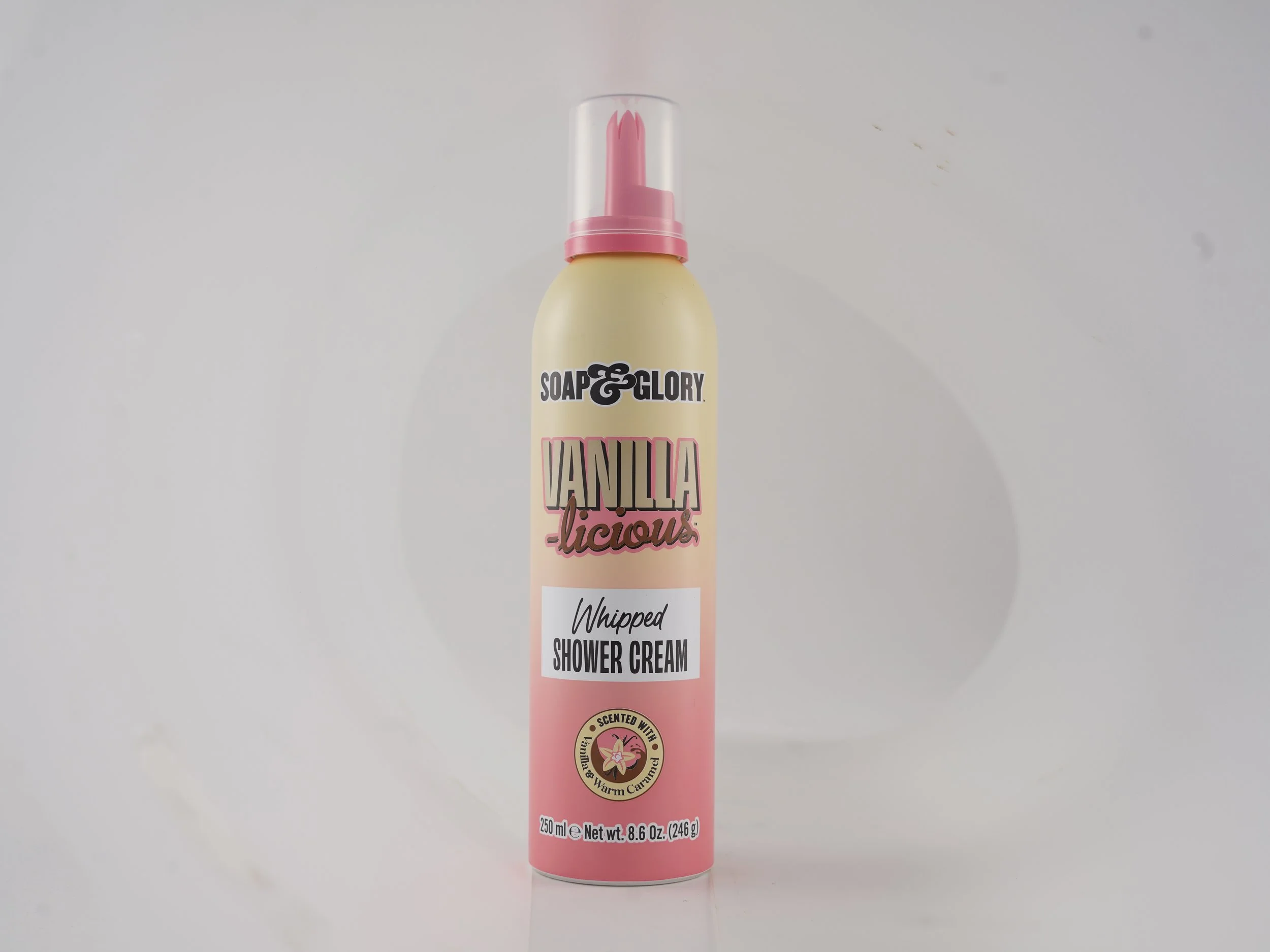
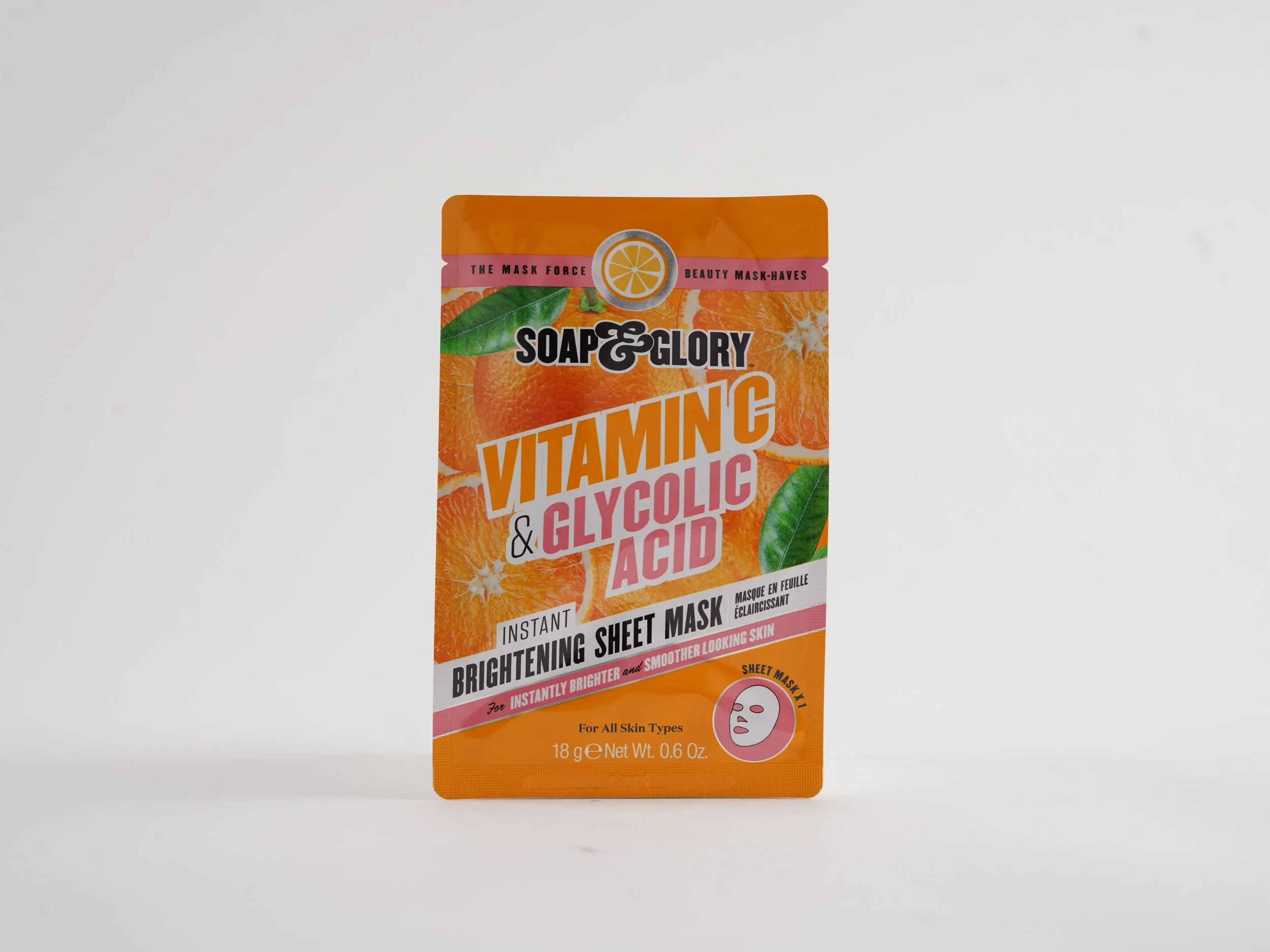
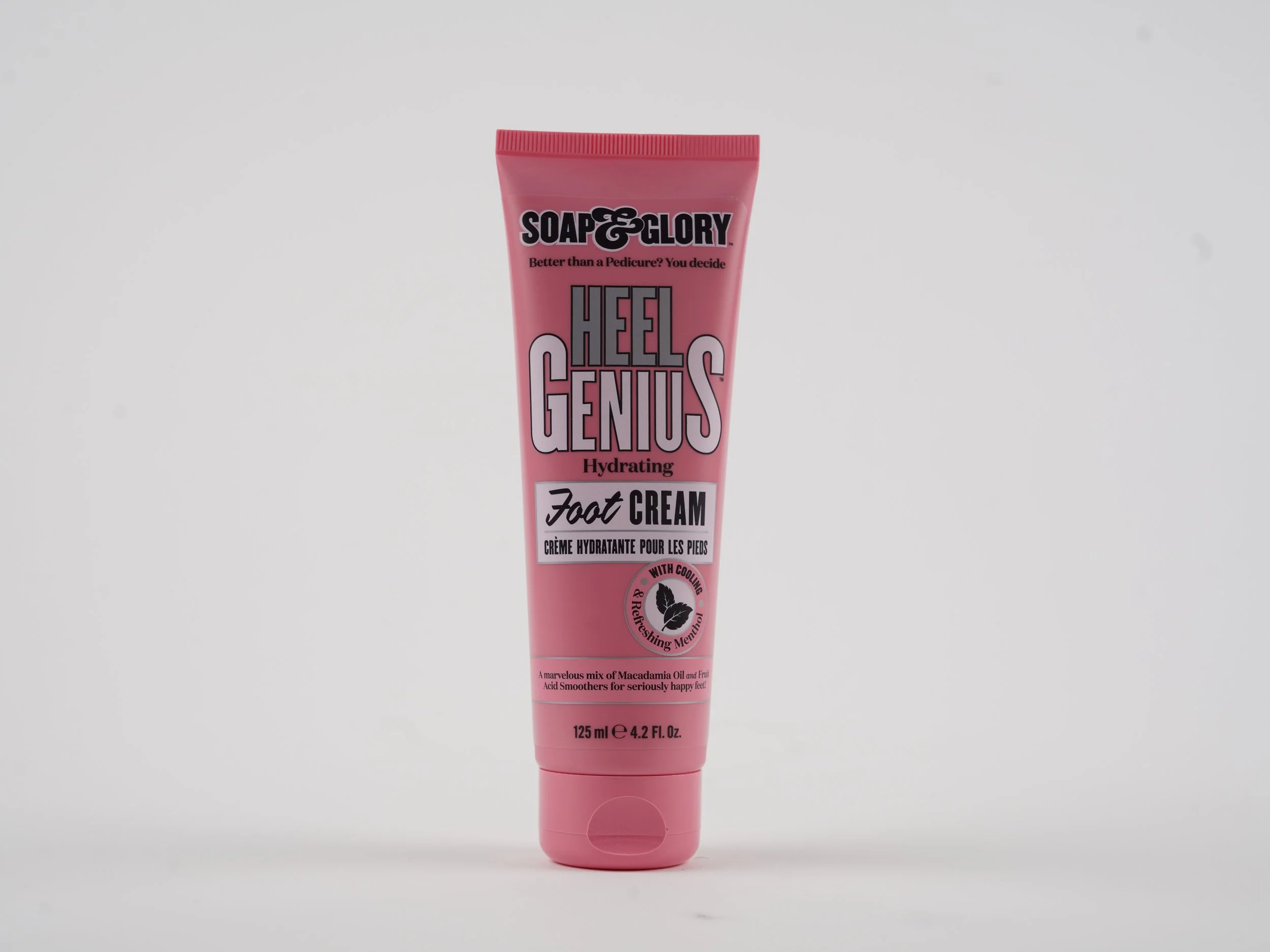
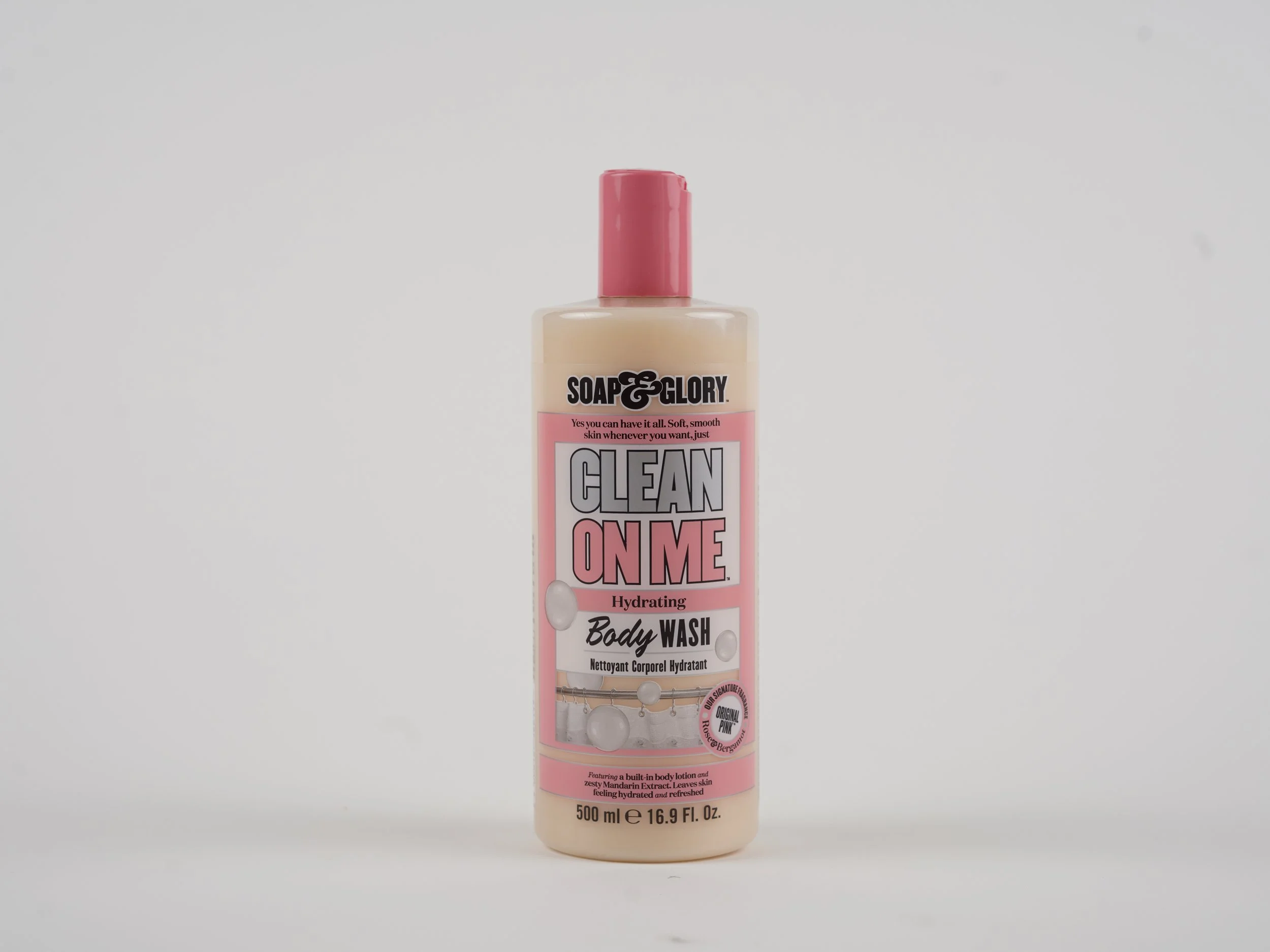
Every image in this section starts somewhere unglamorous: a product pack shot — the kind of flat, functional capture that usually needs a full studio set, a stylist and a shoot day to turn into something a brand would actually run.
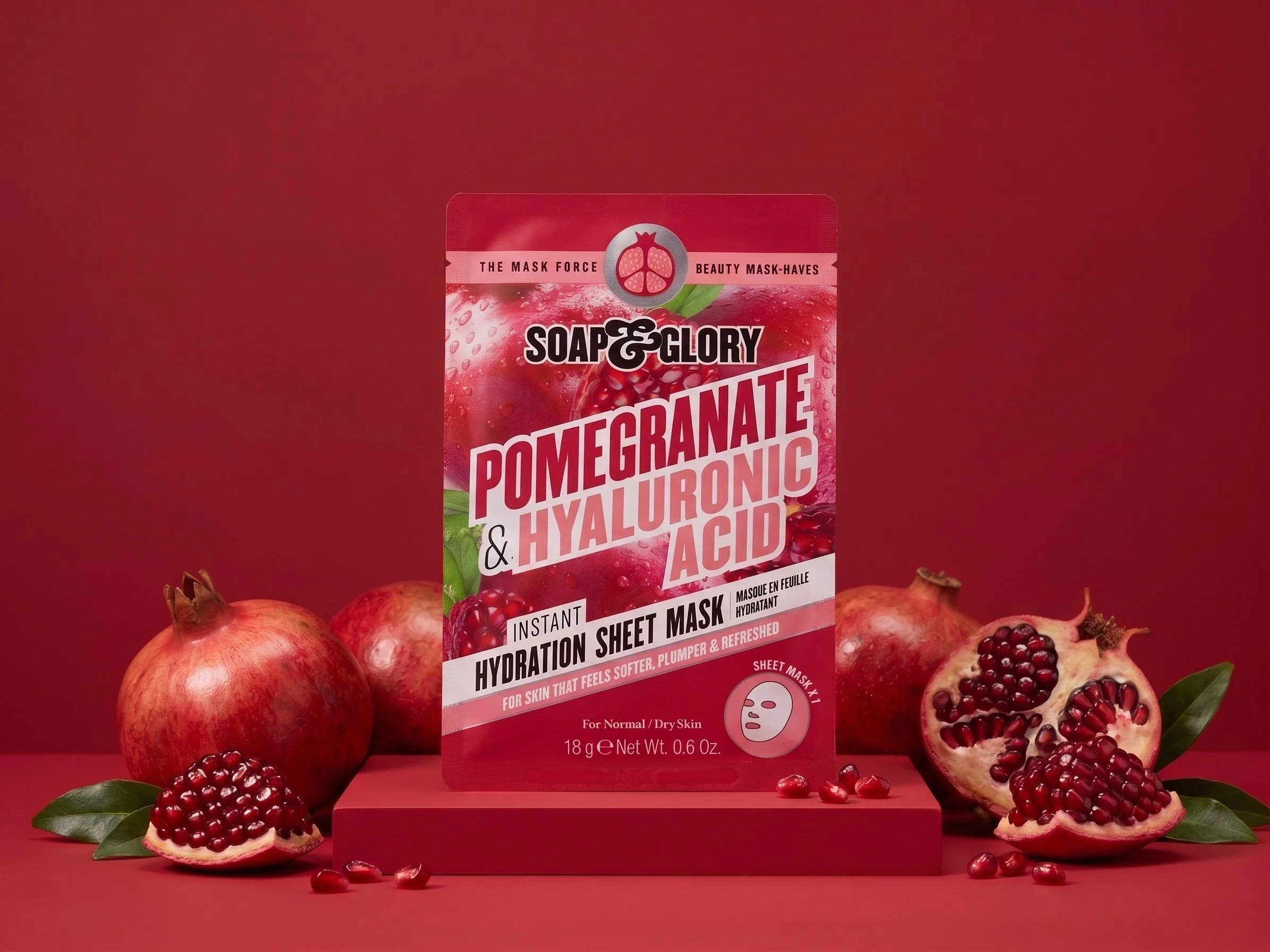
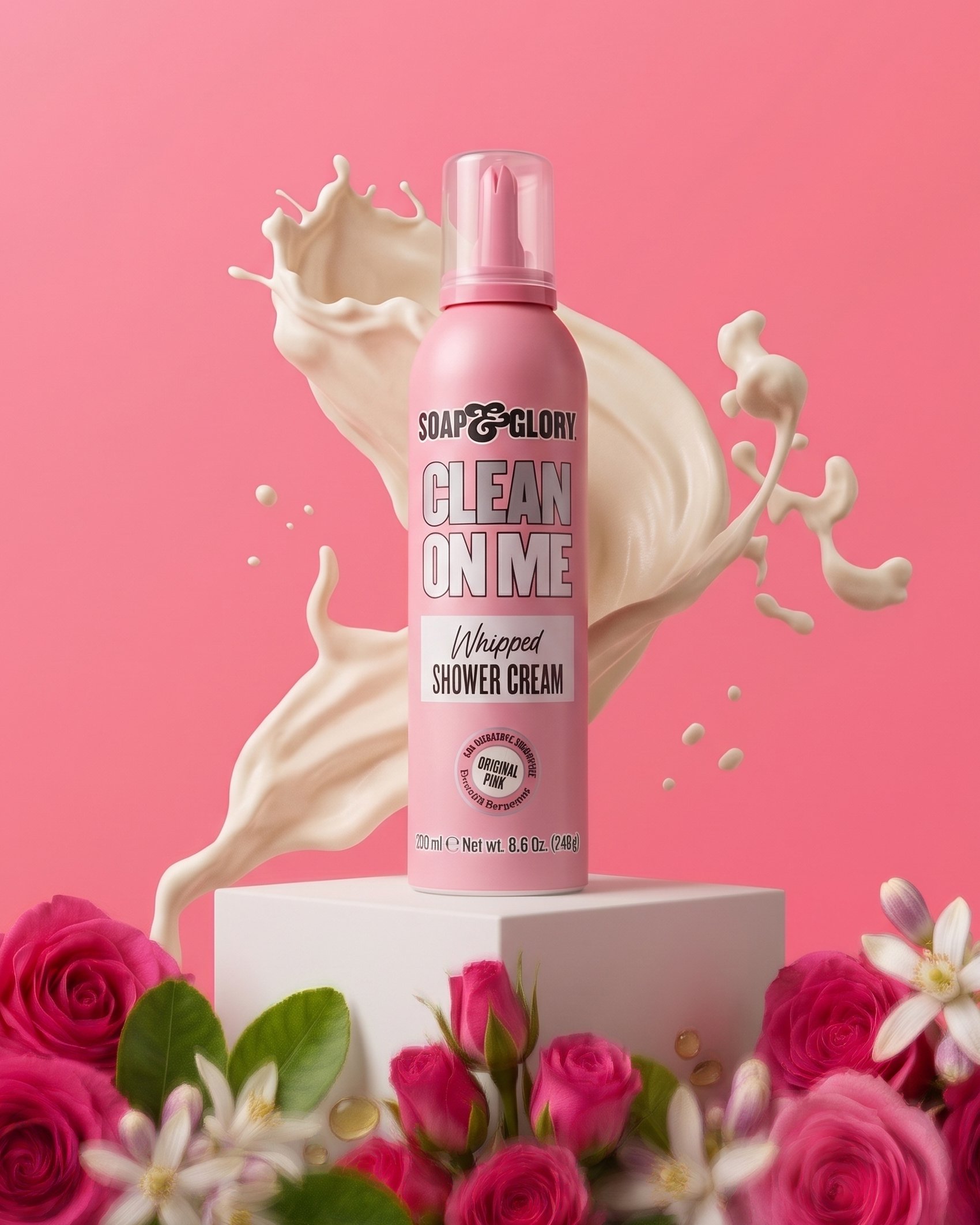
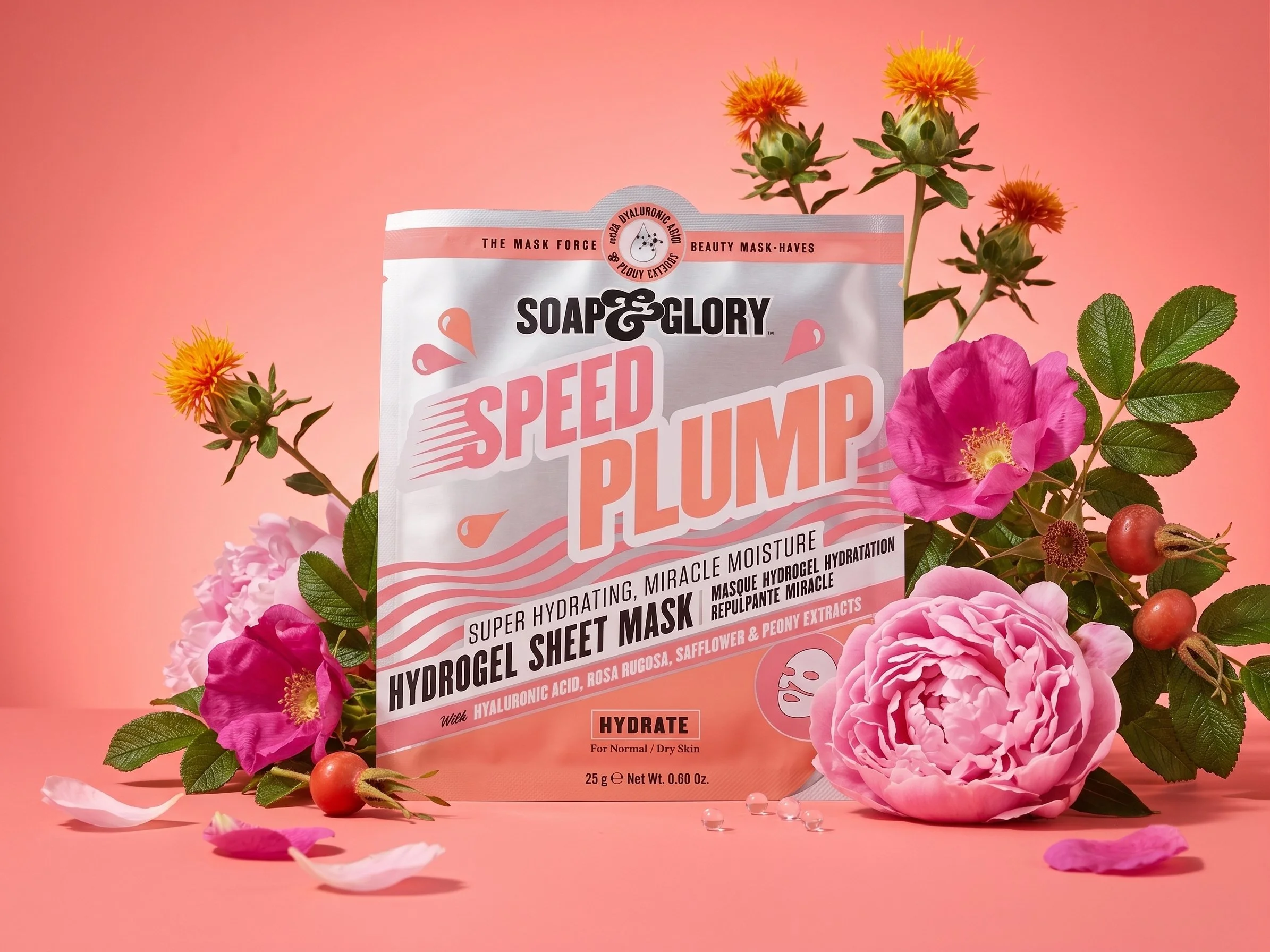
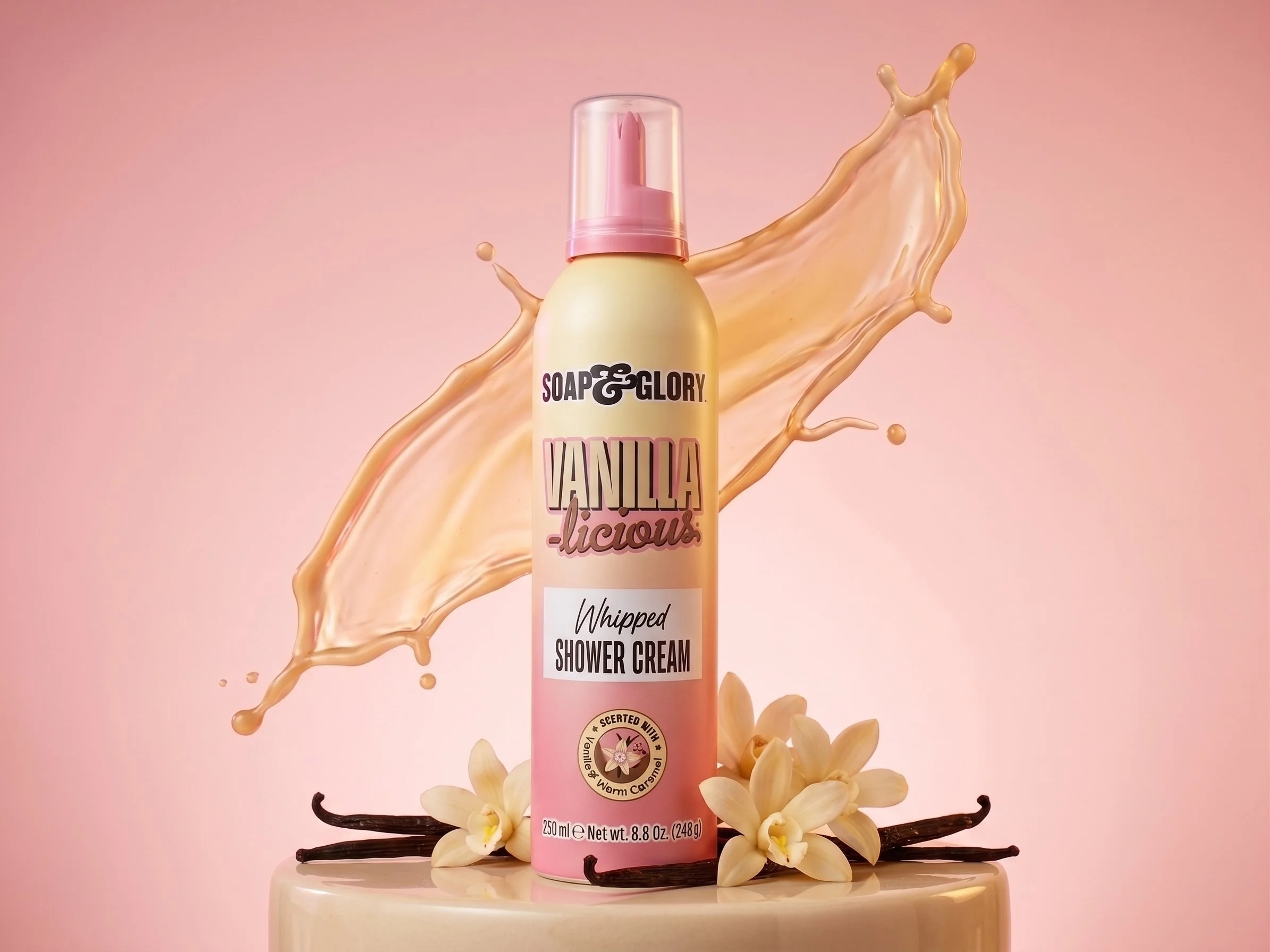
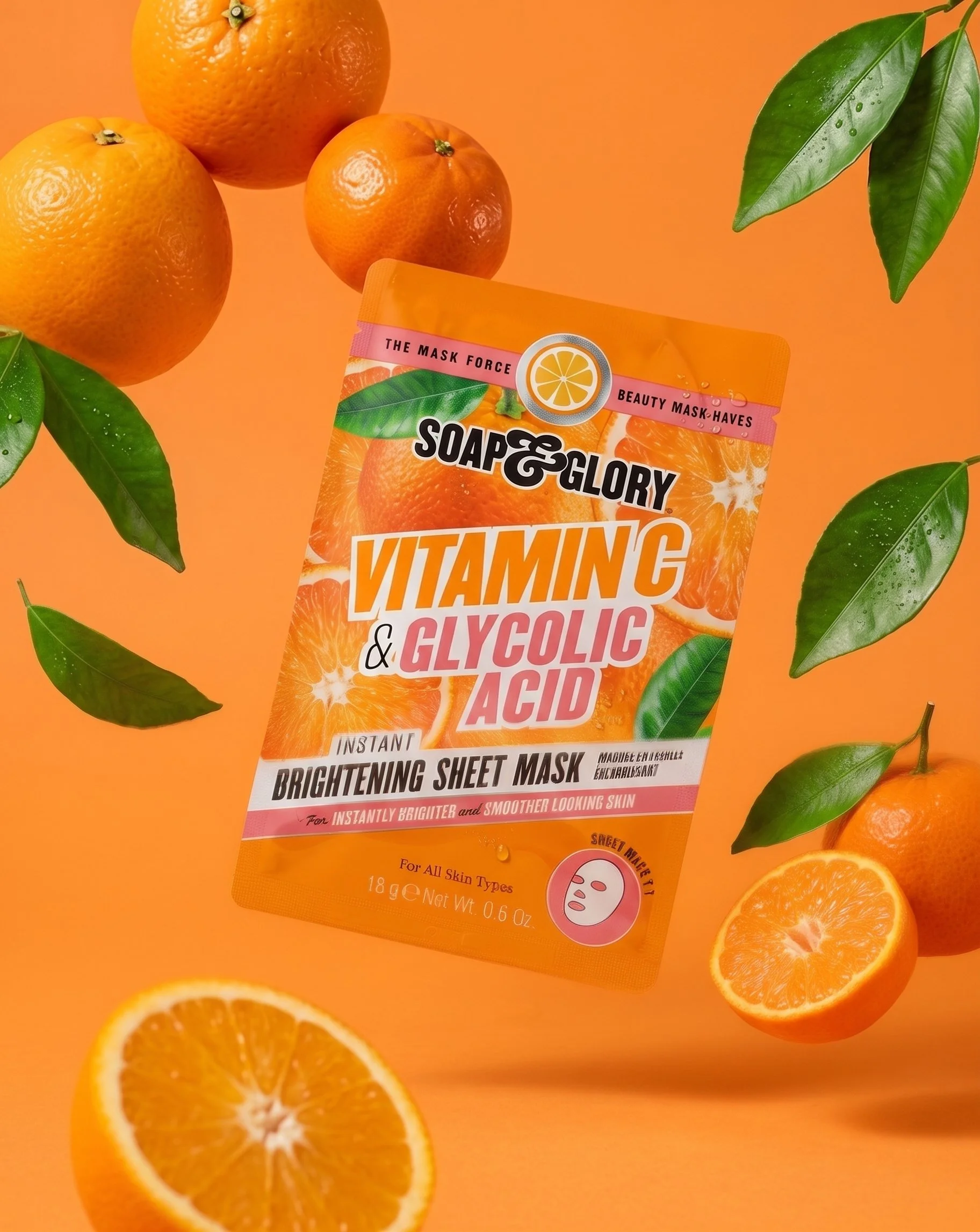
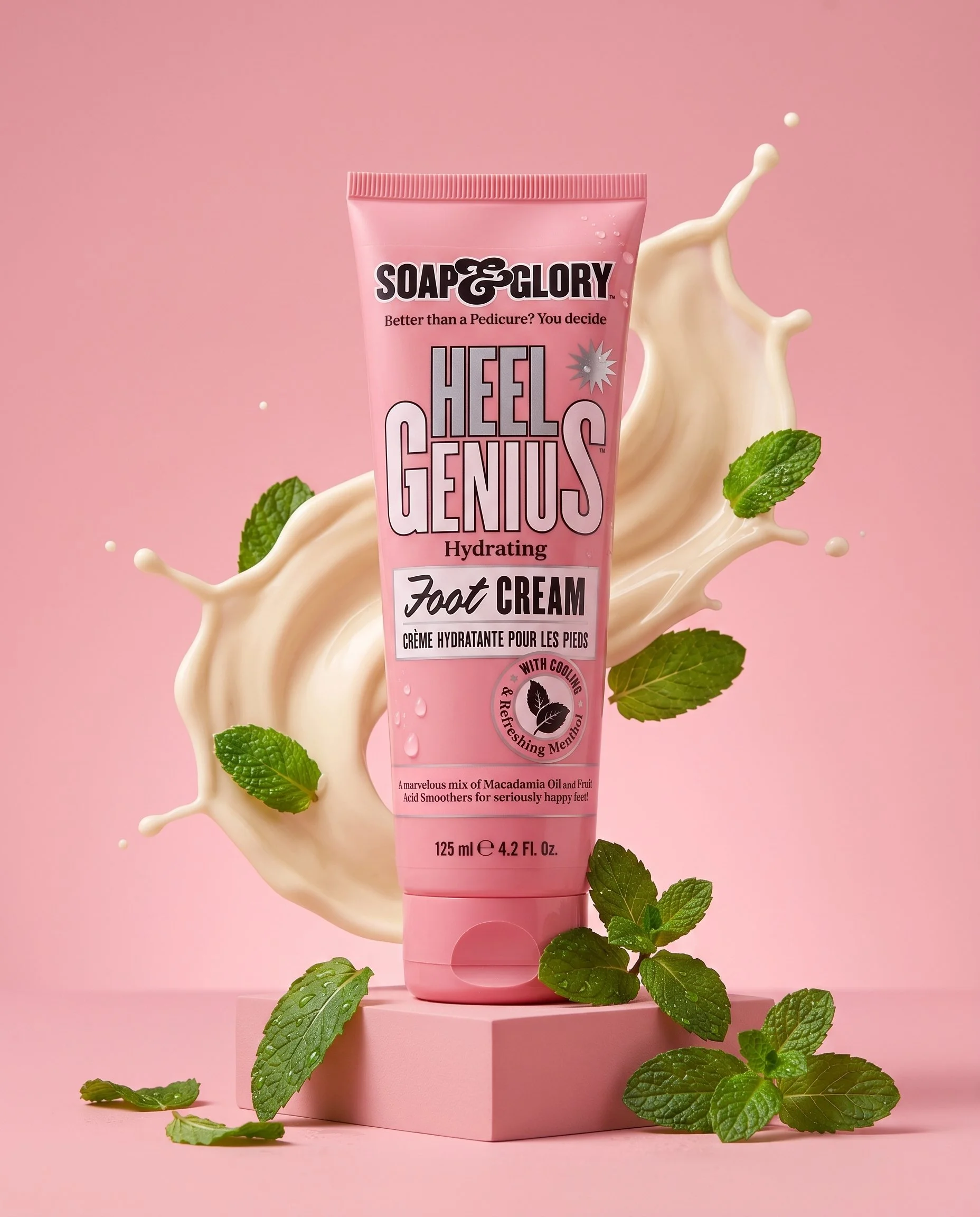
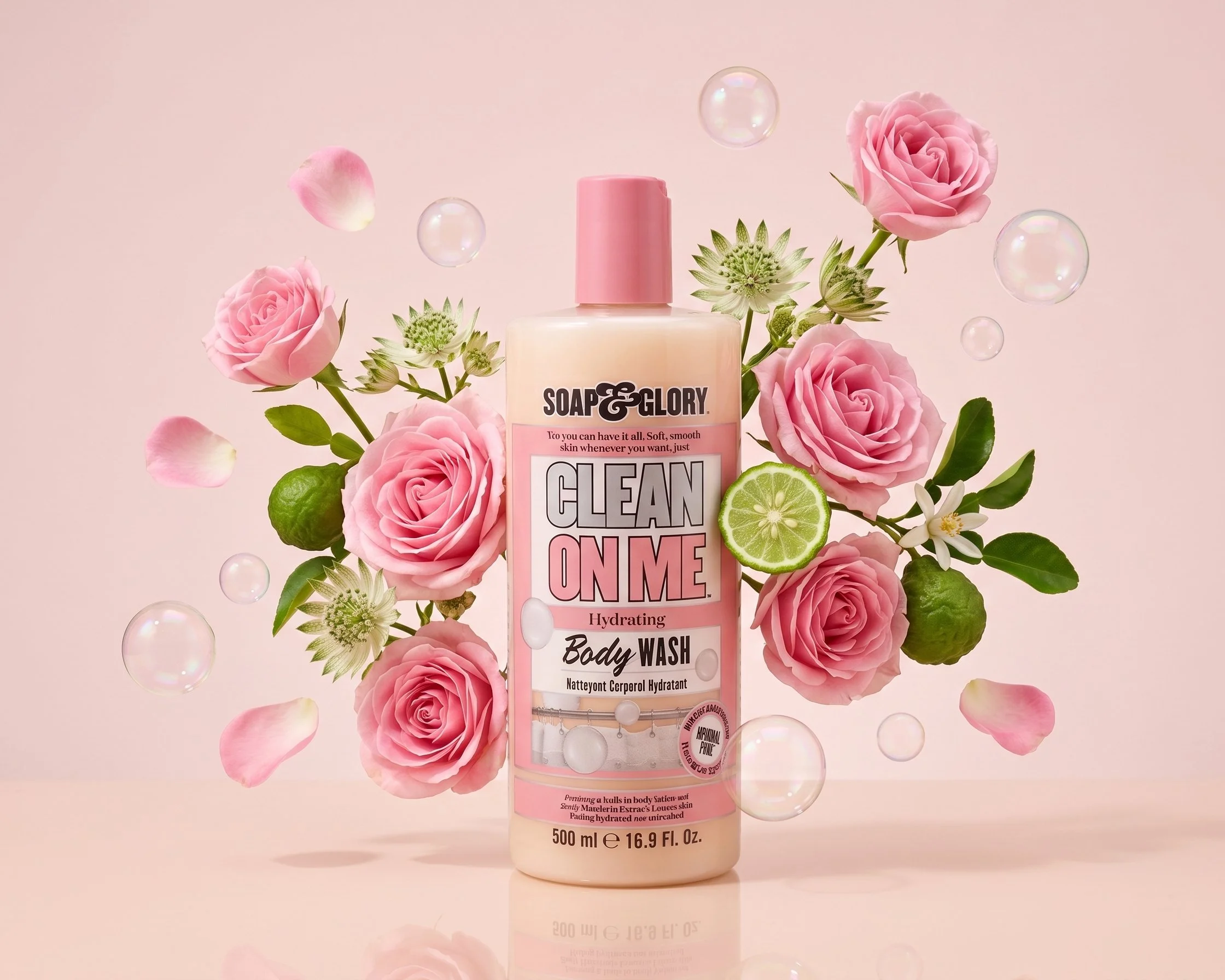
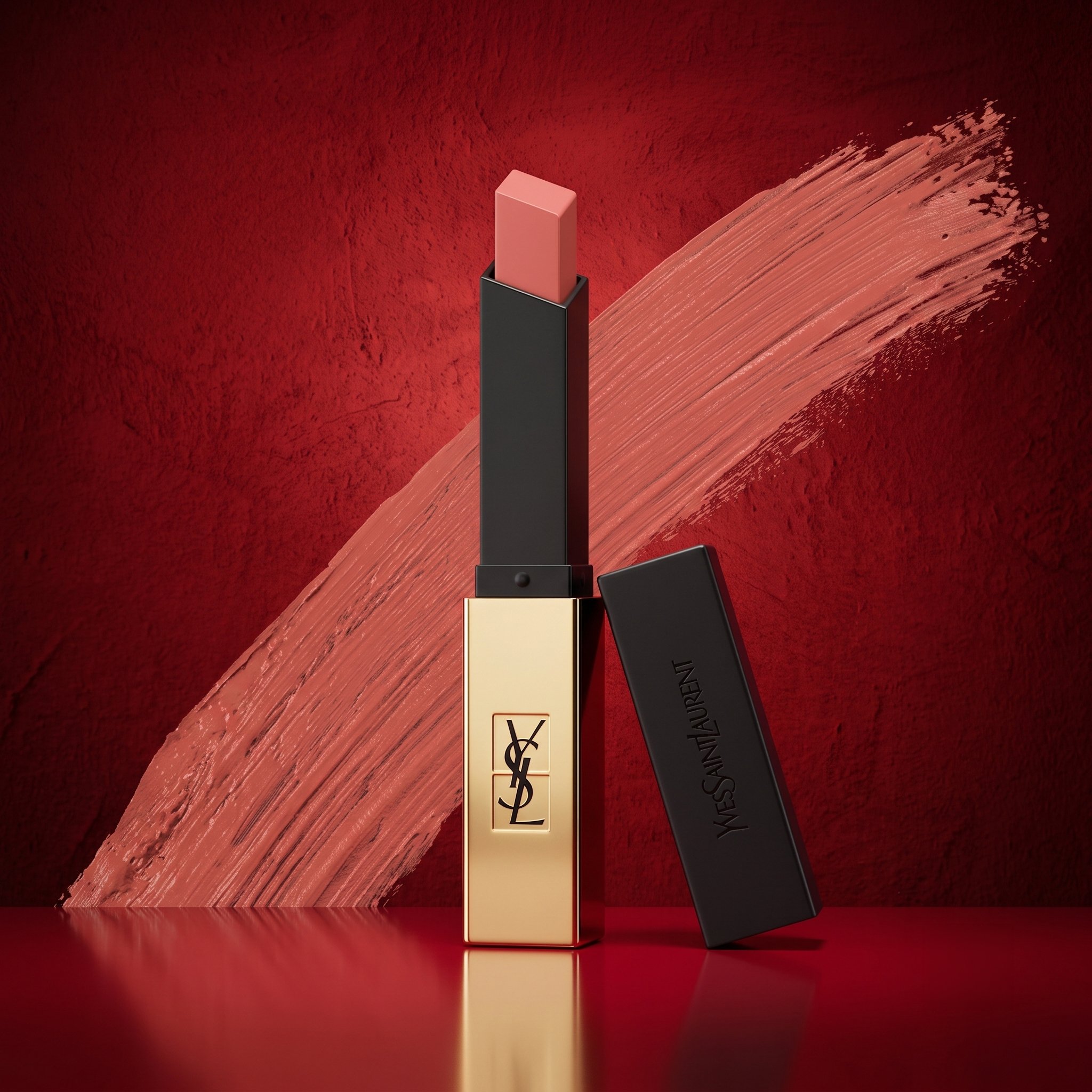
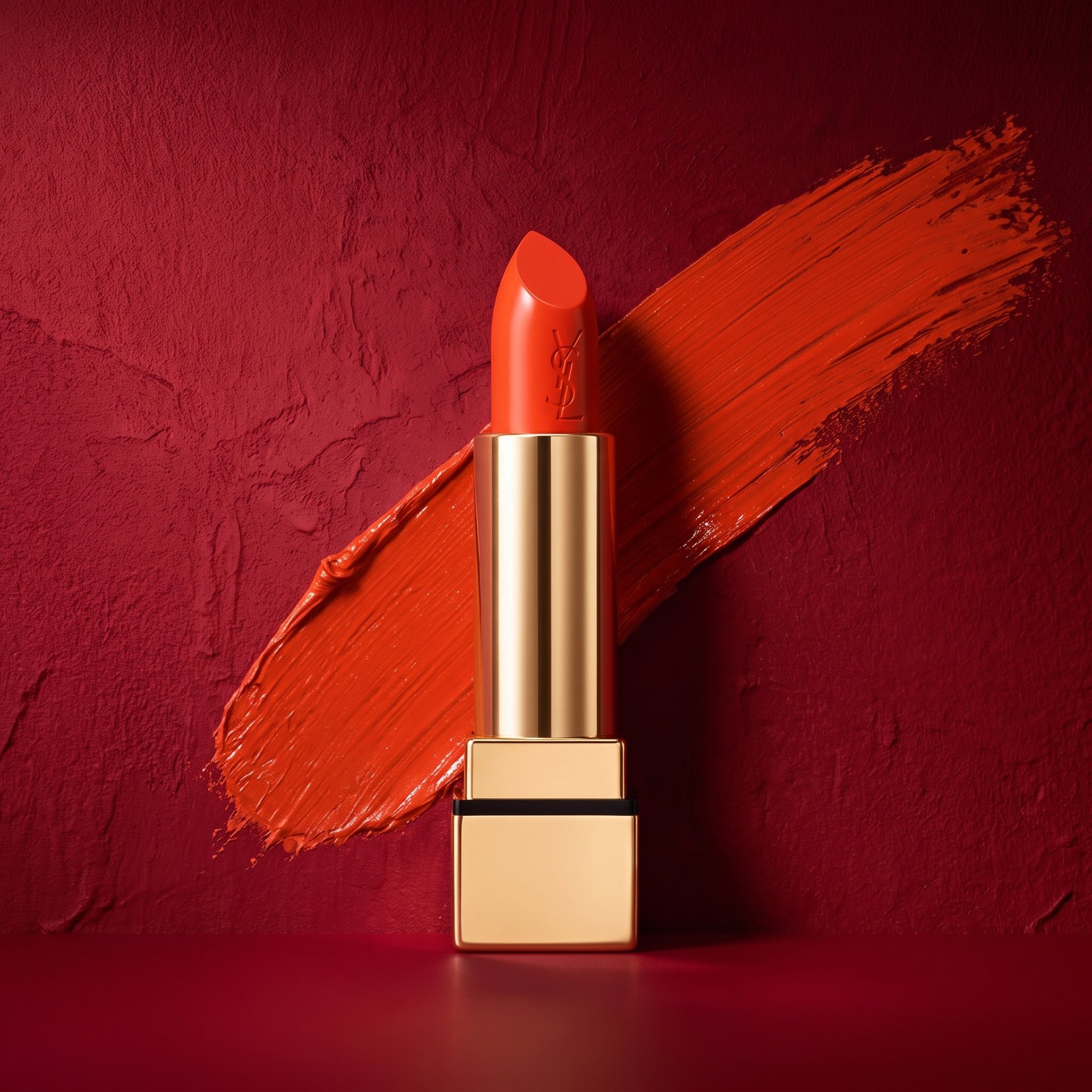
Here, it doesn't. I built a workflow that takes that shot, plus one or two reference images to set the mood and direction, and generates a finished, art-directed scene around the real product — controlled colour, considered lighting, props and composition, all built to brief.
Everything starts from my own photography. The Soap & Glory images began as the most basic possible pack shots — shot on white, no prior retouching at all — to show the workflow can build a full scene from a raw capture. The make-up shots started from my photography too, with a light retouch beforehand, so you can see how a cleaner input carries through to the final result. Either way, the product itself is always real: my photograph, accurate packaging and branding, nothing invented.
The engine behind it is a custom Gemini Gem I built specifically for this, driven by a prompt template I refine per project. The pack shot keeps the product true; the reference images steer the world it sits in. The AI does the heavy lifting of building the scene — I direct it, iterate the prompts, and make the calls on what actually looks right.
The result needs only a light touch in Photoshop afterwards — minor retouching, colour and file adjustments to get it production-ready — rather than hours of compositing or a full shoot. What used to take a set, a team and a day now takes a fraction of the time, without losing the accuracy or finish a brand expects.
Below are the before-and-afters: the original pack shot on the left, the finished scene on the right. Same product, same accuracy — a very different image, and a very different production cost.